
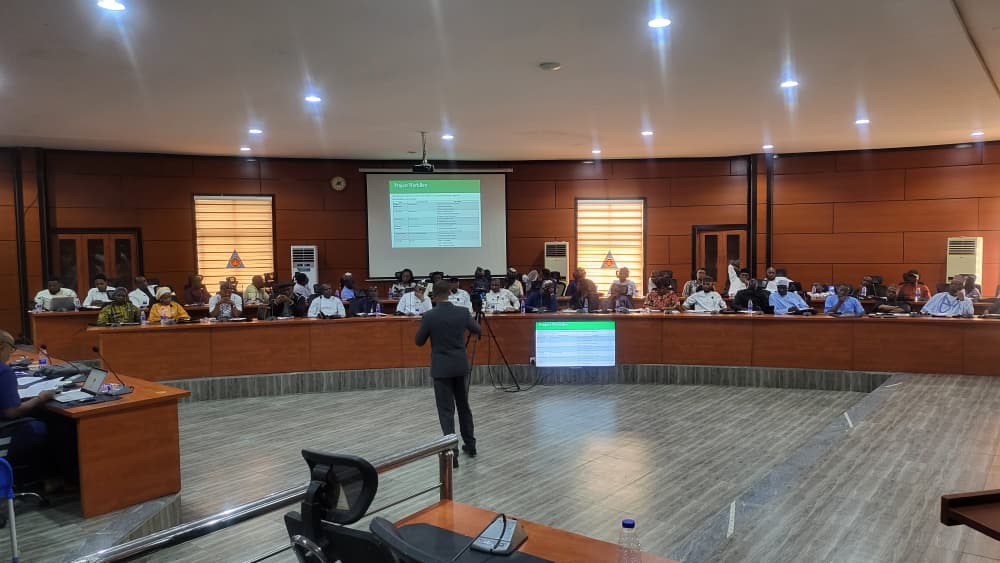
Flagship Development Initiative
Empowering Communities. Creating Jobs. Building Sustainable Local Economies.
The National Initiative on One Ward One Project (NI-1W1P) is a community-driven development programme designed to support one sustainable, livelihood-enhancing project in every ward across Nigeria. It starts with local skills, resources and economic opportunities, then connects them to training, enterprise support, finance, markets and accountable implementation.
The central idea
Every community has unique skills, resources and economic opportunities. NI-1W1P identifies and invests in the right project for each ward so local potential can become productive, self-sustaining economic activity.
At a Glance
A ward-based pathway to nationwide impact
01
Skills & Enterprise
Practical vocational, entrepreneurship and business-development training linked to real economic opportunities.
02
Tools & Productive Assets
Appropriate tools, equipment, starter assets or shared facilities where they are required for enterprise launch.
03
Markets & Value Chains
Connections to buyers, aggregators, cooperatives, finance providers and physical or digital distribution channels.
About the Initiative
Local projects built around comparative advantage
NI-1W1P seeks to transform local communities by supporting projects that reflect the economic realities and comparative advantages of each ward. Rather than applying a single solution everywhere, the initiative uses a participatory process to determine the most suitable project for each community.
Project choices may include agro-processing, food production, textiles, artisan crafts, construction-related trades, digital services and other viable local enterprises. The goal is to move beneficiaries beyond training into productive and sustainable economic activity.
Every ward-level project combines
- Local skills and resource assessment
- Practical vocational and enterprise training
- Tools, equipment or starter assets where required
- Business development support
- Access to finance and markets
- Continuous monitoring and mentorship
- A sustainability and exit plan
Why One Ward, One Project?
Development that is closer to people and easier to account for
Many communities possess valuable skills and resources but lack the equipment, training, finance and market access needed to convert those assets into viable businesses.
Locally Relevant
Project selection begins with the community’s own skills, resources, needs and economic context.
Inclusive & Participatory
Communities, women, young people and relevant local stakeholders participate in project identification and implementation.
Market Responsive
Projects are assessed against demand, viable value chains and realistic routes to customers.
Easier to Monitor
The ward structure creates a clearer unit for supervision, verification, feedback and public accountability.
Enterprise Focused
Training is connected to equipment, business support, finance linkages and productive economic activity.
Measurable & Replicable
Common implementation standards and indicators provide a framework for learning and scaling.
Programme Objectives
From local potential to sustainable livelihoods
NI-1W1P is designed to support viable ward-level enterprises, create direct and indirect employment, strengthen local value chains and build a transparent model capable of nationwide implementation.
- Identify and support a viable, sustainable project in every ward.
- Leverage local skills, resources, markets and comparative advantages.
- Empower 100 direct beneficiaries per ward, with equal participation targeted for men and women.
- Enable beneficiaries to establish or join sustainable enterprises.
- Promote youth employment, women’s economic participation and entrepreneurship.
- Strengthen local value chains and stimulate community economies.
- Build local capacity so projects can continue beyond initial support.
- Develop a transparent and replicable model for nationwide rollout.
Who Will Benefit?
100 direct beneficiaries in each participating ward
The primary target group is people aged 18 to 45, with flexibility for experienced or skilled older participants where appropriate to the selected trade. Special attention is given to youth, women, people facing economic disadvantage and other underserved groups.
Selection considers
- Demonstrated interest in the selected trade or enterprise
- Commitment to completing the training programme
- Potential to sustain a business or productive activity
- Residence or strong community connection within the ward
- Willingness to participate in monitoring and enterprise development
Potential Project Areas
One model, different local economic opportunities
The final trade or enterprise in each ward is selected through community consultation, skills mapping, market analysis and technical assessment.
Agriculture & Agro-Processing
Crop processing and packaging, poultry and livestock value chains, fish processing, irrigation enterprises, storage and aggregation, and agricultural inputs.
Food & Household Enterprise
Food processing, baking and confectionery, catering, shea butter and related products, soap and household-product manufacturing.
Textiles & Artisan Production
Tailoring and garment production, leatherwork, footwear, weaving, embroidery, basketry, crafts, furniture and carpentry.
Construction & Technical Trades
Masonry, plumbing, electrical installation, welding and fabrication, painting, decoration and building-material production.
Digital & Creative Services
Digital literacy, ICT services, graphic design, digital marketing, printing, documentation, photography, media and technology-enabled services.
How the Programme Works
A structured journey from assessment to sustainable enterprise
01
Community & Trade Assessment
Ward-level consultations map existing skills, resources, industries, market opportunities, infrastructure needs, beneficiaries, risks and constraints.
02
Project Selection & Approval
A suitable project is identified through a transparent process involving communities, ward structures, technical experts, local authorities and relevant stakeholders.
03
Beneficiary Selection
Eligible participants are selected against clear, publicly communicated criteria with a strong commitment to fairness and gender inclusion.
04
Training & Capacity Building
Participants receive practical technical skills alongside entrepreneurship, financial management, record keeping, business planning, customer service, quality, packaging, health and safety.
05
Enterprise & Asset Support
Where required, projects may provide tools, starter kits, shared production facilities, mentorship, business development and finance or microcredit linkages.
06
Market Access
Beneficiaries are supported to connect with markets, aggregators, off-takers, cooperatives, private-sector buyers, trade events and distribution channels.
07
Monitoring & Sustainability Support
After launch, enterprises receive follow-up support, performance monitoring and technical guidance to strengthen long-term viability.
Governance & Implementation
Clear responsibility from national coordination to ward supervision
Monitoring & Accountability
Designed to measure implementation and impact
Key performance indicators include wards and projects reached, beneficiaries trained, women and young people participating, enterprises created or strengthened, employment and self-employment, business survival and growth, beneficiary satisfaction, community-level economic impact, audit results and grievance resolution.
Accountability measures
- Transparent beneficiary selection
- Clear procurement procedures
- Proper asset registration and management
- Independent verification
- Regular monitoring reports
- Community feedback and grievance redress
- Anti-corruption safeguards and whistle-blower protection
- Public reporting of programme progress where appropriate
Sustainability & Exit Strategy
Building lasting economic activity, not short-term dependence
The long-term objective is for supported enterprises to become economically viable and locally managed.
- Build technical and business capacity
- Establish enterprise support mechanisms
- Link beneficiaries to finance providers and markets
- Promote cooperatives and producer networks
- Engage private-sector off-takers and technical partners
- Build local maintenance and management capacity
- Use environmentally responsible production practices
- Establish clear handover and exit arrangements
Projects in Focus
See ward-level development in action
Published projects are managed from Dashboard → Projects and appear here automatically.
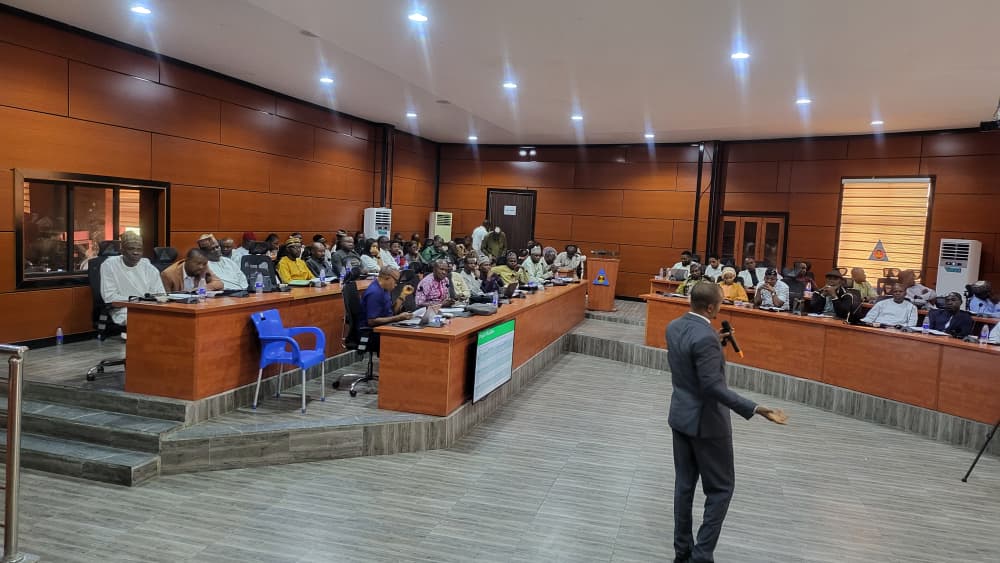 Project
A Flagship Development Initiative of the National Sustainable Development Initiative
NSDI’s flagship National Initiative on One Ward One Project (NI-1W1P) has officially launched across Nigeria’s six geopolitical zones.
View project detailsBuild With Us
Turn local skills into sustainable livelihoods
NI-1W1P welcomes public, private, community and development-sector partners who can contribute funding, technical assistance, equipment, training, market access, monitoring, research, enterprise development or communications.
Programme Disclaimer
The National Initiative on One Ward One Project is presented by the National Sustainable Development Initiative as a proposed development and partnership framework. Implementation locations, timelines, institutional arrangements, funding and programme scope remain subject to applicable approvals, stakeholder consultations, available resources and final implementation agreements.